How to Choose the Best Heat Cartridge for Your Needs?
Choosing the right heat cartridge is crucial for achieving optimal results in your projects. A heat cartridge serves as an essential component in various applications, including 3D printing and soldering. Understanding your specific needs can help you determine the best choice.
When selecting a heat cartridge, consider factors like temperature range, wattage, and connector type. Each project may require different specifications. A reliable heat cartridge ensures efficiency and precision. Poor choices lead to inconsistent results and potential equipment damage.
Do not underestimate the importance of quality. Investing in a reputable brand can save you time and money. Evaluate user reviews and expert recommendations, as they reflect real-world experiences. Remember, even small details matter. Your ideal heat cartridge awaits, but only if you make an informed decision.
Understanding Heat Cartridge Basics and Types
Understanding heat cartridge basics is crucial for making informed choices.
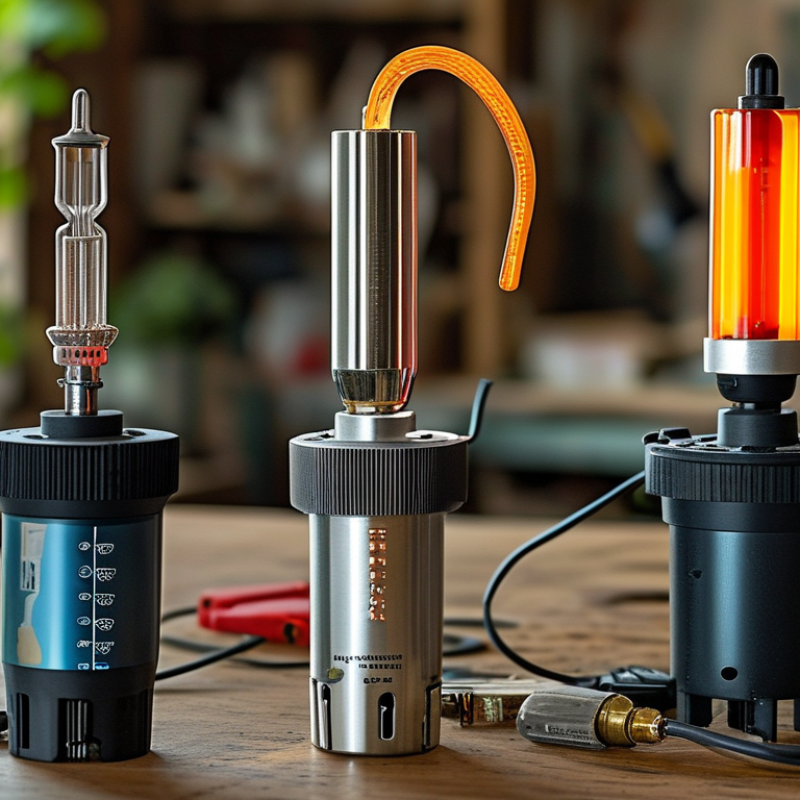
Heat cartridges convert electrical energy into heat, often utilized in 3D printing. Key types include
aluminum,
brass, and
stainless steel cartridges. Each type offers distinct
thermal conductivity and heating efficiency. For instance, aluminum has high conductivity but lower durability.
According to industry reports, aluminum cartridges heat up quickly. However, they are prone to wear over time.
Stainless steel, while slower to heat, provides excellent durability.
It withstands high temperatures and can last longer under heavy use. These differences can significantly impact project outcomes.
A study by the Additive Manufacturing Association shows that
selecting the right heat cartridge affects print quality. Poor choices lead to inconsistent heat levels.
This can result in layer adhesion issues and distortion. Users must assess their specific applications.
Balancing heat retention and responsiveness is essential for optimized performance.
Evaluating Compatibility with Your 3D Printer Model
When selecting a heat cartridge, one crucial step is evaluating its compatibility with your 3D printer model. Different printers require different specifications. A wrong fit can lead to performance issues, inefficiencies, or even damage. Always check the manufacturer's guidelines. Take note of the voltage and wattage needed for your printer. These two factors can significantly impact your 3D printing experience.
The length and diameter of the heat cartridge must also match your printer's requirements. If they don't align, it can affect heat distribution and performance. This could result in inconsistent prints. Taking the time to thoroughly research your printer model is essential. Look for user forums or community advice that may highlight compatibility experiences. This step can often reveal hidden pitfalls and lead to a more satisfying printing journey. Measurements matter. It's not simply an installation process; it's about understanding your machine's needs.
Analyzing Temperature Range and Performance Features
When selecting a heat cartridge, understanding temperature range and performance features is vital. The temperature range indicates how effectively the cartridge can perform under various conditions. Cartridges typically operate within specific temperature limits; choosing one that matches your project's requirements is crucial. High temperatures often lead to faster melting, but they may affect the material's quality. Low temperatures can result in improper adhesion.
Performance features also play a significant role. Look for features like heat-up time and thermal stability. A quick heat-up time can increase efficiency, while thermal stability ensures consistent output. Consider how often you need to replace cartridges. Frequent replacements can be costly.
Keep in mind that not every cartridge will fit your applications perfectly. You might face challenges in compatibility with materials. Testing different cartridges can help identify the ideal match for your project. Always reflect on the outcomes and be open to adjustments. The right cartridge can significantly impact your project's success.
How to Choose the Best Heat Cartridge for Your Needs?
| Temperature Range |
Power (W) |
Material |
Lifespan (Hours) |
Heating Time (Seconds) |
| 180 - 250°C |
30 |
Ceramic |
5000 |
20 |
| 160 - 240°C |
25 |
Metal |
4000 |
25 |
| 200 - 260°C |
50 |
Silicone |
6000 |
15 |
| 180 - 230°C |
40 |
Plastic |
3500 |
30 |
Considering Material Composition and Durability
When selecting a heat cartridge, material composition is crucial. Common materials include stainless steel, brass, and ceramic. Each material offers different thermal conductivity and durability. Stainless steel is known for its resistance to corrosion and wear. Brass provides excellent conductivity but may degrade faster under high temperatures. Ceramic, on the other hand, is less conductive but offers high thermal stability.
Recent industry reports indicate that the average lifespan of heat cartridges can vary significantly based on their material. For instance, stainless steel cartridges can last up to 10,000 hours in optimal conditions. However, poor-quality brass cartridges may only operate efficiently for 2,500 hours. Considering the context, users must weigh the cost against the expected durability. This decision could directly impact production efficiency and material waste.
Moreover, the interplay between material and function is essential. High heat applications require cartridges that can withstand extreme conditions. Selecting the wrong material may lead to equipment failures. Some users overlook this aspect, relying too heavily on brand reputation. This can lead to disappointment when a product fails to meet expectations. Educating oneself about material properties can lead to better decisions in the long run.
Budgeting and Selecting from Trusted Brands and Suppliers
When choosing a heat cartridge, budgeting is crucial. Many individuals overlook the importance of setting a clear budget. Aligning your spending with the features you need helps avoid overspending. According to industry data, around 40% of users stick to their budgets, which often leads to regret after purchases. Researching materials and specifications upfront can help ensure you’re not compromising on quality.
Selecting trusted brands and suppliers is equally important. Quality heat cartridges often come from reputable manufacturers. A recent survey indicated that 75% of industry professionals prefer brands with proven reliability and customer support. Checking for certifications can also help gauge a supplier's trustworthiness. Buying from suppliers with good reviews can reduce risks. It’s wise to read user feedback; sometimes, poorer reviews reveal more about a product than glowing ones do.
While there are many options, the best approach is sometimes to embrace a trial-and-error method. This learning experience can lead to long-term satisfaction but requires careful consideration. Understanding what features matter most to you can help refine your selections. Investing the time to compare multiple options can yield better decisions in the end.