How to Choose the Best Bitumen Heater for Your Needs?

Choosing the right Bitumen Heater can greatly impact efficiency and project success. Different projects have unique requirements. Selecting the perfect heater involves understanding various factors such as heating capacity, portability, and energy source.

A Bitumen Heater’s performance hinges on its specifications. Comparing models helps in making an informed choice. Look for a heater suited for your specific application, whether for road maintenance or roofing. The right heater ensures quick and even heating, which enhances material workability.

However, not all heaters are created equal. Some may not meet regulatory standards or might lack durability. It’s crucial to consider the manufacturer's reputation and customer reviews. Reflecting on your personal experiences can also guide your decision. Being mindful of these factors can lead to a more effective selection process.
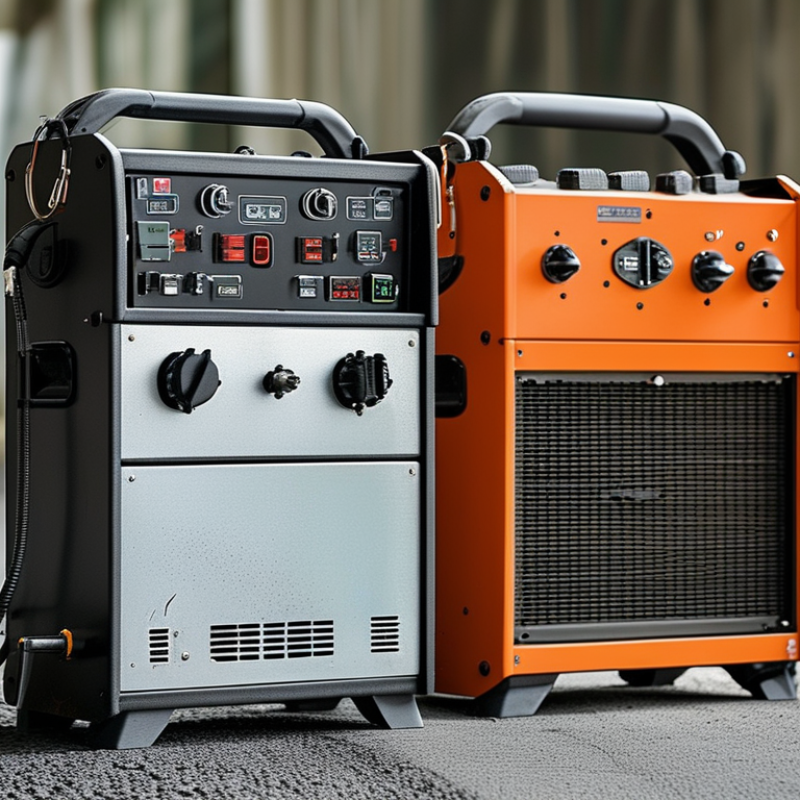
How to Choose the Best Bitumen Heater for Your Needs?

Understanding the Different Types of Bitumen Heaters Available

When choosing a bitumen heater, understanding the different types available is essential. There are mainly three categories: direct, indirect, and hot oil heaters. Direct heaters apply flame directly to the bitumen. They heat quickly but can risk overheating. Indirect heaters use a separate heating source. They provide better temperature control but can take longer to warm up. Hot oil heaters circulate heated oil to transfer warmth efficiently. They are preferred for large-scale operations.

Tips: Consider your project's scale. For smaller applications, a direct heater may suffice. If you need precision, go for an indirect model. Always assess the environment where the heater will be used. If space is limited, opt for a compact design to avoid difficulties in placement.

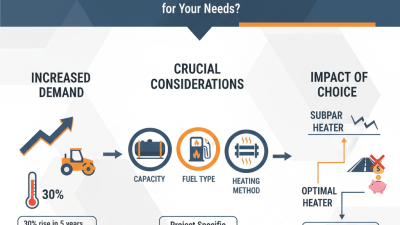
Be mindful of fuel type too. Some heaters operate on diesel. Others may need propane or natural gas. Each has its advantages in efficiency and accessibility. Reflect on your budget constraints as well. Sometimes, spending less initially can lead to higher costs in the long run due to inefficiencies. Evaluate all aspects carefully before making a decision.

Key Factors to Consider When Selecting a Bitumen Heater

Choosing the right bitumen heater involves several key factors. Heating capacity is crucial. Understand the volume of bitumen you will work with. This helps in selecting a heater with adequate output. A heater that is too small delays projects. Conversely, an oversized heater may waste energy and inflate costs.

Temperature control is another important aspect. Look for heaters with precise control settings. Consistent temperature ensures optimal bitumen viscosity. It also affects application quality. Safety features should not be overlooked. An effective bitumen heater includes automatic shut-off options and thermal insulation to prevent accidents.

Mobility is also significant. If you plan to transport the heater frequently, consider its weight and design. A portable unit can save time at various job sites. Lastly, maintenance requirements matter. Opt for models known for easy cleaning and upkeep. This can lengthen the heater's lifespan. Overall, balancing these factors leads to a more informed decision.

How to Choose the Best Bitumen Heater for Your Needs? - Key Factors to Consider When Selecting a Bitumen Heater
Feature Description Importance
Heating Capacity Measured in liters per hour, indicates the amount of bitumen that can be heated. High capacity is essential for large projects to ensure timely application.
Fuel Type Options include electric, diesel, and propane, each with its own advantages. Choosing the right fuel type can affect cost efficiency and mobility.
Temperature Range The operational temperature range required for your specific application. Ensures the bitumen reaches the necessary consistency for optimal application.
Mobility Portable models versus stationary units, based on project location needs. Mobility can save time and effort in transferring the heater to different sites.
Insulation Quality of insulation affects fuel efficiency and heat retention. Better insulation leads to lower fuel costs and improved heating performance.
Safety Features Includes overheat protection, flame guards, and automatic shut-off. Critical for preventing accidents and ensuring operator safety.
Price Range Cost varies widely based on features and capabilities. Balance between cost and required features for value assessment.
Maintenance Requirements Frequency and type of maintenance needed to keep the heater operational. Regular maintenance ensures long-term functionality and efficiency.

Evaluating Heating Capacity and Efficiency Requirements

When selecting a bitumen heater, evaluating heating capacity is crucial. You need to understand the specific requirements of your projects. High-capacity heaters can deliver more heat quickly, which is beneficial for large jobs. However, they may waste energy in smaller projects. Balance is key.

Efficiency also plays a significant role. Look for heaters that conserve energy while maintaining the desired temperature. An efficient heater saves money in the long run. It’s wise to consider how often you'll use the heater. Frequent use justifies a more substantial investment.

Reflect on the heating method as well. Direct flame heating can offer speed, but it may damage the bitumen if not carefully managed. Indirect heating systems provide more control but might be slower. Each method has its pros and cons, depending on the operational context. Understanding these details will lead to a better decision for your specific needs.

Assessing Portability and Ease of Use in Bitumen Heaters

When selecting a bitumen heater, assessing portability and ease of use is crucial. Many professionals prefer a lightweight model that can be easily transported. This is especially important for projects in remote locations where mobility is essential. A heater with wheels or a compact design simplifies movement. Heavy-duty handles can also enhance transportability, allowing for easy loading and unloading.

Ease of use is another critical factor to consider. A user-friendly interface can save time and reduce frustration. Look for heaters with clear control panels and intuitive settings. Some models feature digital displays that indicate temperature and status. This can help in monitoring the heating process accurately. Additionally, consider the setup time. A design that allows for quick assembly can be beneficial for busy job sites.

Although modern heaters have advanced features, not all designs prioritize simplicity. Some users report that complex controls can lead to errors. It's essential to balance advanced technology and operability. Evaluate user reviews and experiences to understand how a product performs in real-world situations. This will help ensure the chosen heater meets both portability and ease-of-use criteria effectively.

Analyzing Cost and Maintenance Considerations for Bitumen Heaters

When selecting a bitumen heater, cost and maintenance are crucial factors. The initial investment can vary greatly. Budget-conscious buyers often face challenges. Understanding our financial limits helps narrow options. Be prepared for potential fluctuations in price based on features and capacity. Some heaters come with advanced technology, while others focus on simplicity.


Maintenance plays an equally vital role. Regular upkeep ensures longevity. Clean filters enhance efficiency. Neglecting maintenance can lead to unexpected costs. Simple tasks like checking seals and monitoring temperatures are essential. Inadequate attention can result in performance drops. Scheduling routine inspections can save money in the long run.


Choosing the right model requires thoughtful consideration. Spending less initially may lead to higher expenses later. Balancing upfront costs with long-term reliability is key. Each decision impacts overall success. Reflecting on personal needs and professional advice can guide decisions. The choices we make now will influence future operations.