Understanding Finned Elements: The Key to Efficient Heat Transfer in Modern Applications
In the pursuit of efficient heat transfer in modern applications, understanding the role of finned elements has become increasingly crucial. Finned elements, which are engineered with extended surfaces to enhance thermal performance, effectively increase the surface area available for heat exchange, thereby improving overall system efficiency. As industries strive for optimal thermal management in a range of applications—from HVAC systems to automotive engineering—the significance of these components cannot be overlooked.
This article aims to delve into the essential characteristics and benefits of finned elements, providing insights and practical tips for leveraging their advantages in various engineering contexts. By exploring the science behind finned elements and their applications, we can better appreciate how they contribute to enhanced heat transfer efficiency and energy conservation in contemporary designs.
The Role of Finned Elements in Enhancing Heat Transfer Efficiency
Finned elements play a crucial role in enhancing heat transfer efficiency across various modern applications. By increasing the surface area available for heat exchange, these structures significantly improve the rate of thermal conduction and convection. In systems like air conditioning, refrigeration, and even in automotive radiators, the implementation of fins allows for quicker dissipation of heat, which in turn boosts overall performance and energy efficiency.
Tips: When designing or selecting finned elements, consider the materials used. Metals with high thermal conductivity, such as aluminum or copper, are often preferred due to their effectiveness in facilitating heat transfer. Additionally, optimizing the shape and spacing of fins can lead to improved airflow and reduced heat retention, thus maximizing efficiency.
Incorporating finned elements into heat exchange systems also requires an understanding of the operating environment. Factors such as temperature, fluid type, and flow rate can significantly affect performance. By tailoring the design of the fins to suit specific conditions, engineers can achieve optimal heat transfer rates while minimizing energy costs.
Tips: Regular maintenance of systems utilizing finned elements is essential. Cleaning debris and ensuring unobstructed airflow can greatly enhance heat transfer efficiency and extend the lifespan of the equipment.
Types of Finned Elements and Their Unique Applications
Finned elements are crucial in enhancing heat transfer across various industrial applications. The use of fins, which are extended surfaces designed to increase the area available for heat exchange, is prevalent in heat exchangers, radiators, and HVAC systems.
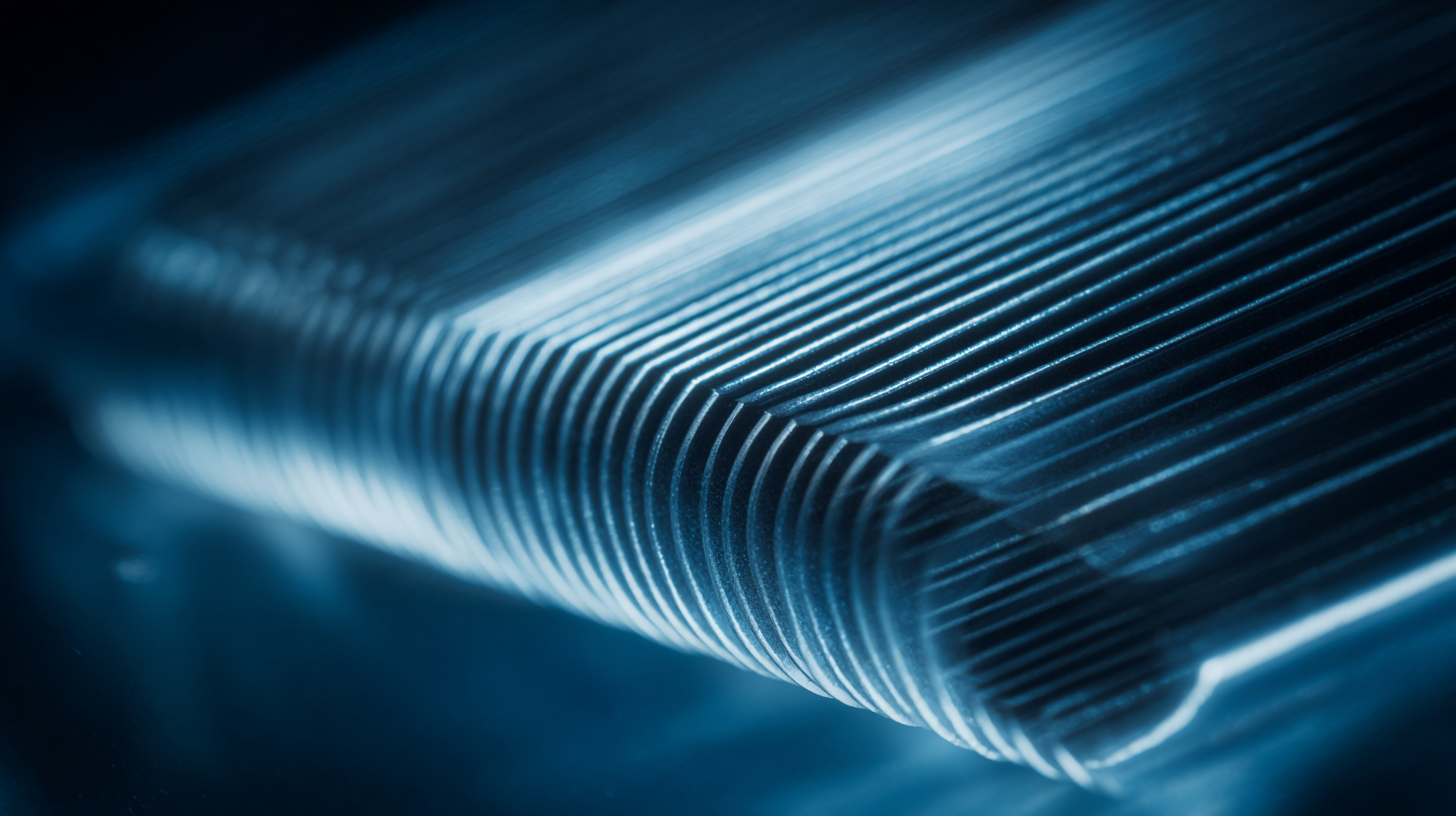 Among the different types of finned elements, straight fins are the most common, effectively increasing surface area while maintaining a compact design. They offer excellent performance in air-cooled systems, making them suitable for applications where space is limited but efficient cooling is a priority.
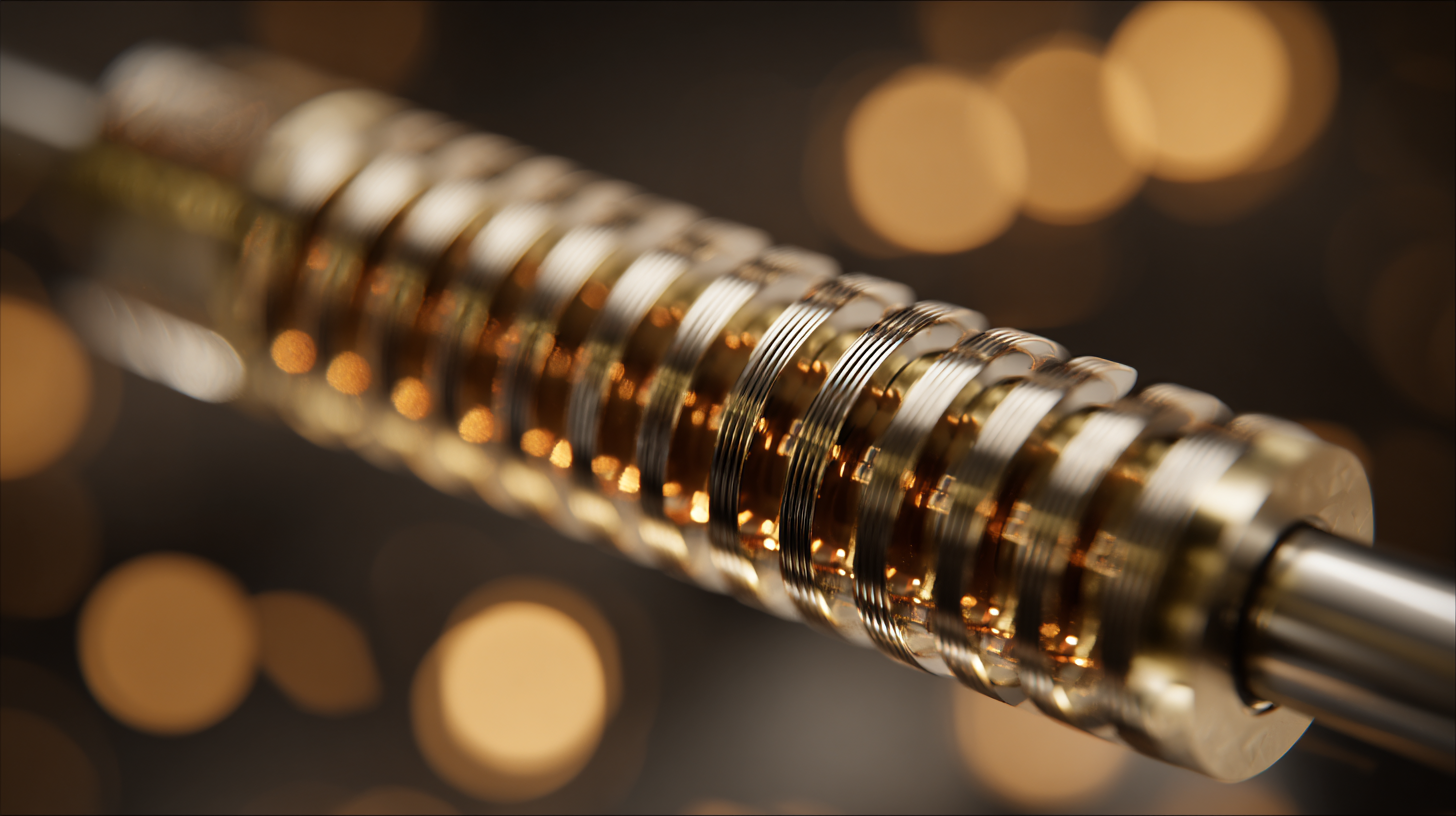
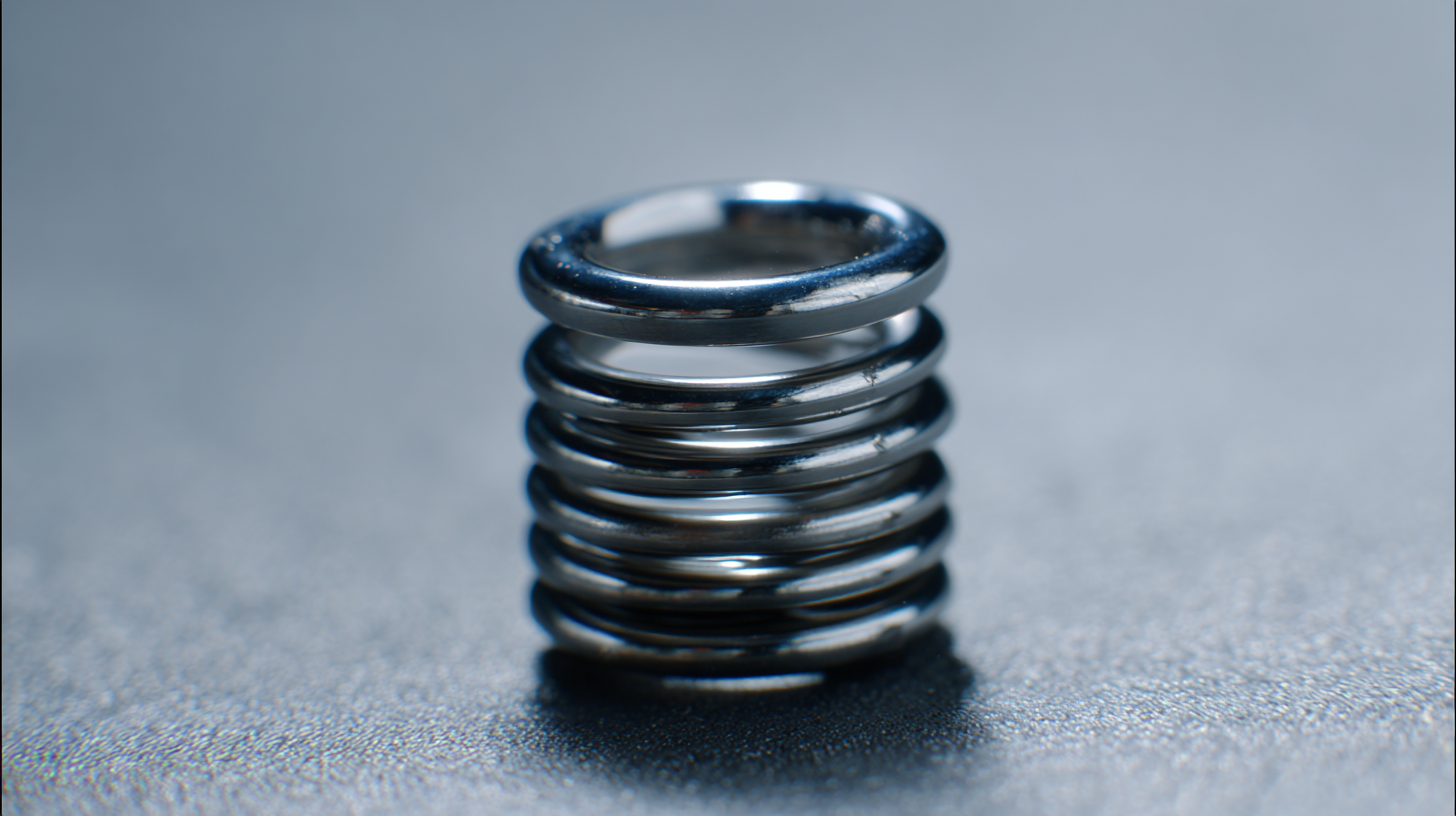
Another unique form is the pin fin, characterized by its cylindrical shape, which improves airflow and heat dissipation in confined spaces, such as in electronic cooling systems. The addition of offset fins further optimizes heat transfer by disrupting the boundary layer, enhancing turbulence and ensuring better contact with the cooling medium. Additionally, spiral fins provide a robust solution for applications requiring higher strength and efficiency, such as in high-pressure boilers or advanced heat exchangers. Each type of finned element offers specific benefits tailored to diverse operational environments, underscoring their significance in modern thermal management strategies.
Materials Used in Finned Element Design: A Comparative Analysis
Finned elements play a crucial role in enhancing heat transfer efficiencies across various applications, including electronics cooling, HVAC systems, and industrial processes. The materials used in the design of these components significantly impact their thermal performance, durability, and cost-effectiveness. Common materials include aluminum, copper, and stainless steel, each offering distinct advantages and limitations.
Aluminum is widely favored for its lightweight nature, excellent thermal conductivity, and cost-effectiveness. It is often used in applications where weight savings are essential, such as in aerospace or automotive industries. Copper, while more expensive, offers superior thermal conductivity, making it ideal for high-performance heat exchangers. However, it is also heavier and less corrosion-resistant than aluminum. On the other hand, stainless steel, known for its robustness and resistance to corrosion, is typically used in harsh environments but may compromise thermal performance due to its lower thermal conductivity compared to aluminum and copper.
Ultimately, the choice of material for finned element design depends on the specific application requirements, including weight considerations, thermal performance needs, and environmental factors. Each material presents unique properties that influence the overall efficiency and effectiveness of heat transfer systems.
Design Considerations for Optimizing Finned Heat Exchangers
Finned heat exchangers play a crucial role in enhancing heat transfer efficiency in various modern applications, making their design considerations vital for optimal performance. Recent advancements in technology have underscored the importance of innovative design methodologies. For example, employing algorithms like Jaya in the economic optimization of shell-and-tube heat exchangers demonstrates how data-driven approaches can lead to improved efficiency and reduced costs. Considering maintenance within these algorithms further extends the operational life and reliability of these systems.
Tips for optimizing finned heat exchangers include focusing on fin geometry and material selection, as these factors significantly impact thermal performance. Researchers are also exploring alternatives like ionanofluid for plate heat exchangers, highlighting the adaptability required to meet evolving industrial demands. Additionally, comparing finned and un-finned tube designs in air-to-ground heat exchangers unveils critical insights into performance that can influence future designs, particularly in specialized applications such as oil pipeline cooling where efficiency is paramount.
Future Trends in Finned Element Technology and Applications
Finned elements are increasingly being recognized for their potential in diverse applications, with trends pointing towards innovation in both structural and aesthetic realms. One notable application is the use of glass fins in facades, which blends functionality with visual appeal. These fins not only serve as sunshades but also contribute to the structural integrity of buildings, enhancing their load-bearing capabilities while simultaneously enriching their aesthetic value. This dual-purpose functionality represents a significant shift in architectural design, where efficiency and beauty coalesce through advanced materials and engineering.
As technology continues to evolve, the future of finned element applications seems promising, particularly in sustainable architecture and energy-efficient designs. The integration of modern materials that allow for lightweight yet robust fins is creating opportunities for broader deployment in various industries. Moreover, the focus on renewables, such as solar energy, aligns well with the development of finned elements that optimize heat transfer and energy management. This trend underscores the importance of innovative designs that cater to both environmental goals and the demanding needs of contemporary infrastructure.