Top 10 Heater Tubular Types You Should Know Today?
Heater Tubular systems are vital in many industrial applications. Understanding their types can significantly impact efficiency and safety. John Smith, a leading expert in thermal engineering, once stated, "Choosing the right Heater Tubular type can make all the difference in a process."
With various configurations available, knowing the nuances is crucial. Each Heater Tubular type offers unique features. A wrong selection might lead to overheating or inefficiency. The intricacies of these systems are often overlooked. They require careful consideration of factors like material and watt density.
Not every Heater Tubular is suitable for every application. Some might struggle under high temperatures. Awareness of these limitations is essential for engineers. Choosing wisely ensures longevity and optimal performance. As industries evolve, so too do the technologies. The learning never stops in this field.
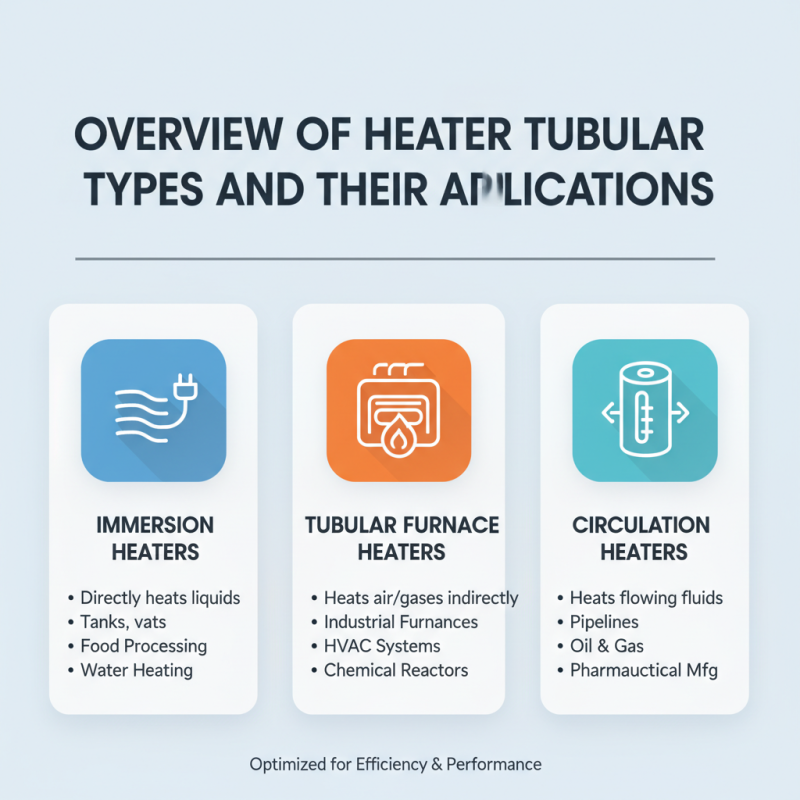
Overview of Heater Tubular Types and Their Applications
Heater tubular types play a significant role in various industries. Understanding these types can improve efficiency and performance. Popular options include immersion heaters, tubular furnace heaters, and circulation heaters. Each has its unique application, contributing to processes in industries like food processing, HVAC, and chemical manufacturing.
According to recent data from industry reports, the global market for industrial heaters is projected to reach $6.2 billion by 2025. This growth emphasizes the importance of selecting the right heater tubular type for specific applications. Immersion heaters are ideal for liquids and even semi-solids. In contrast, tubular furnace heaters excel in heating gases and provide uniform temperature distributions.
**Tip:** Consider your specific application before choosing a heater type. Look for energy efficiency to save on costs. **Tip:** Regular maintenance of heater tubulars can prevent operational issues. Keep in mind that even high-quality heaters may require routine checks. They are not fail-proof and can malfunction if neglected. Explore options based on your operational needs, but remember, no one size fits all.
Common Materials Used in Heater Tubular Manufacturing
Heater tubulars are essential components in heating applications. The materials used for manufacturing these tubulars greatly affect their efficiency and durability. Common materials include stainless steel, copper, and aluminum.
Stainless steel is favored for its corrosion resistance and strength. It can withstand high temperatures, making it ideal for industrial heating. According to industry reports, around 60% of heater tubulars are made from stainless steel due to its reliability. This material, however, can be costlier than others, leading some manufacturers to rethink their choices.
Copper offers excellent thermal conductivity. It heats up quickly and efficiently. Yet, it is prone to corrosion over time. Lower-quality copper can become a liability. Aluminum, while lighter and cheaper, has lower thermal conductivity compared to stainless steel and copper. It's often used in applications where weight is a concern. Yet, its long-term effectiveness in high-heat situations remains debatable. Choices in materials must align with application needs and budget constraints.
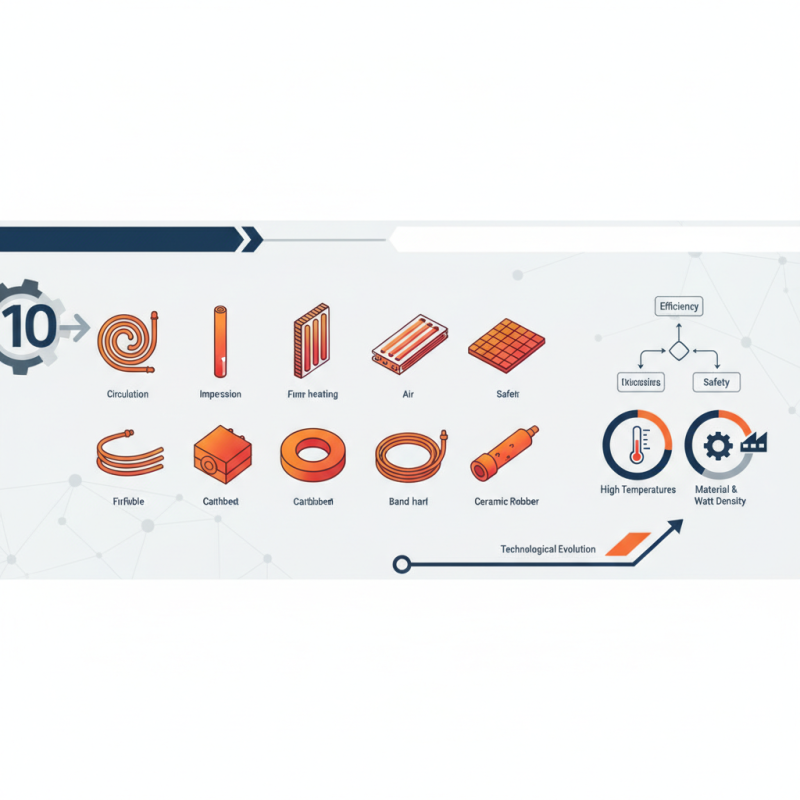
Top 10 Heater Tubular Types You Should Know Today
| Heater Type |
Common Materials |
Applications |
Max Temperature (°C) |
Efficiency (%) |
| Tubular Heating Element |
Stainless Steel, Copper |
Ovens, Water Heaters |
300 |
90 |
| Ceramic Tubular Heater |
Ceramic, Alumina |
Industrial Furnaces |
1200 |
92 |
| Silicon Carbide Heater |
Silicon Carbide |
High-Temperature Applications |
1600 |
88 |
| Incoloy Heater |
Incoloy, Nickel Alloys |
Chemical Processing |
850 |
85 |
| Copper Tubular Heater |
Copper |
Beverage Heating |
300 |
90 |
| Titanium Heater |
Titanium |
Marine Applications |
400 |
87 |
| Glass Tubular Heater |
Borosilicate Glass |
Laboratory Equipment |
200 |
80 |
| Alumina Heater |
Alumina |
High-Temperature Muffle Furnaces |
1200 |
90 |
| Carbon Heater |
Carbon |
Heating Elements |
800 |
86 |
| PTC Heater |
Polymer Materials |
Space Heaters |
250 |
90 |
Key Features and Benefits of Different Heater Tubular Types
When it comes to heater tubular types, understanding their key features is essential. Electric tubular heaters are popular due to their efficiency. They are easy to install and operate quietly. These heaters typically come in various lengths to fit different applications. Their design allows for uniform heating, making them suitable for liquids and gasses alike.
Another notable type is the gas tubular heater. Although they might require a more complex installation, they provide powerful heating. Gas tubular heaters often use lesser energy compared to electric ones for the same output. However, they may require regular maintenance to ensure safety and efficiency.
Finally, we have the immersion tubular heaters. These are specifically designed for direct Contact with liquids. They can achieve rapid heating in a variety of fluids. Users often face challenges regarding temperature control, which might lead to overheating. Overall, each type offers distinct benefits but also presents its unique challenges that require careful consideration.
Top 10 Heater Tubular Types You Should Know Today
This chart illustrates the heat conductivity of different heater tubular types, showcasing their efficiency in heat transfer. Understanding these characteristics can aid in selecting the right heater for your needs.
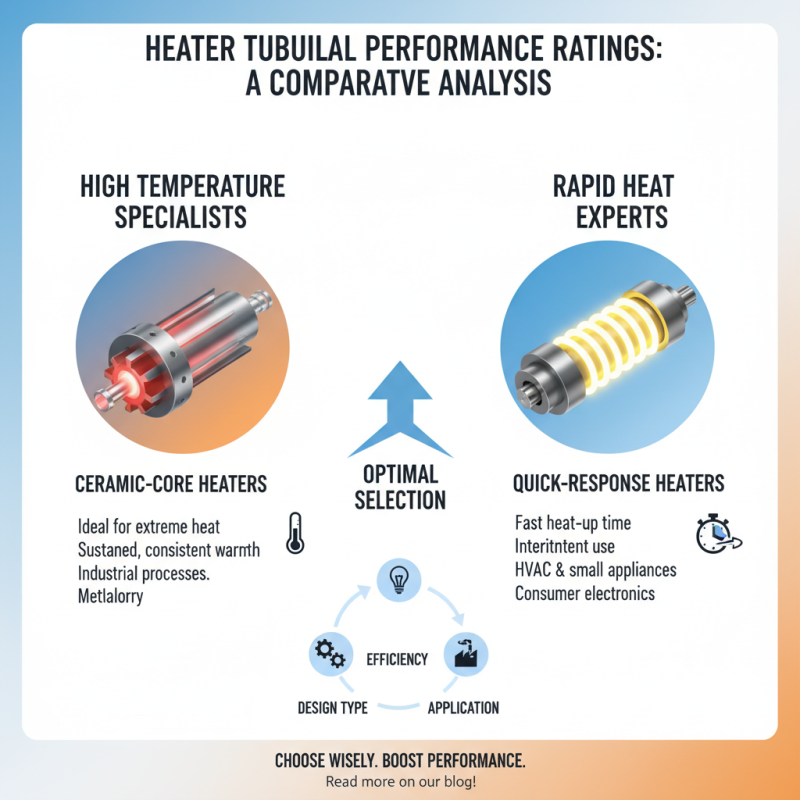
Comparative Analysis of Heater Tubular Performance Ratings
When it comes to heater tubular types, performance ratings are crucial. Different designs yield varying efficiency levels. Some are great for high temperatures, while others excel in quick heating. Understanding these differences can enhance your selection process.
Keep in mind that not all heater types are equal. For instance, certain tubular heaters perform well in damp environments. Others are better suited for dry conditions. Always assess your specific needs before making a choice.
**Tips:**
Consider the material of the heater tubular. Stainless steel offers durability and resistance, but can be pricier. Copper, on the other hand, heats quickly. Think about longevity versus initial costs.
Another point to reflect on is the wattage. Higher wattage often means faster heating, but it also leads to higher energy bills. Balance efficiency and economy when making your decision.
Best Practices for Installing and Maintaining Heater Tubulars
Installing and maintaining heater tubulars requires careful attention to detail. The proper technique can enhance efficiency and extend lifespan. Many users overlook the significance of using correct materials. According to industry reports, using high-quality insulation can increase system efficiency by up to 25%. This is not just a number; it's crucial for performance.
Routine checks on corrosion are essential. Even minor rust can lead to major failures. Inspecting connections and seals regularly can prevent unnecessary breakdowns. Reports suggest that up to 30% of heater tubular failures stem from inadequate maintenance. This data highlights a critical point: neglect can be costly.
When installing heater tubulars, ensure proper alignment. Misalignment can cause stress and reduce lifespan. Adjustments might be required to guarantee optimal operation. Utilize the right tools for precise measurements, as small errors can escalate into significant problems. Consider this a reflection point: Are you doing enough to protect your investment?