The Future of Energy Efficiency Why Heater Tubular Technology is Changing the Heating Industry
As the demand for energy efficiency continues to rise, industry experts are turning their attention to innovative technologies that can optimize heating solutions. One such advancement is Heater Tubular technology, which is proving to be a game-changer in the heating industry. According to a recent report from the International Energy Agency (IEA), energy-efficient heating solutions could reduce global carbon emissions by up to 30% by 2030. With the implementation of Heater Tubular systems, which offer improved heat transfer and efficiency rates of up to 95%, businesses and homeowners alike are capitalizing on the potential for significant reductions in energy consumption and costs. By embracing this cutting-edge technology, the heating industry is poised to not only enhance performance but also support global sustainability goals, making Heater Tubular an essential focus for energy efficiency in the future.
The Evolution of Heater Tubular Technology in Modern Heating Solutions
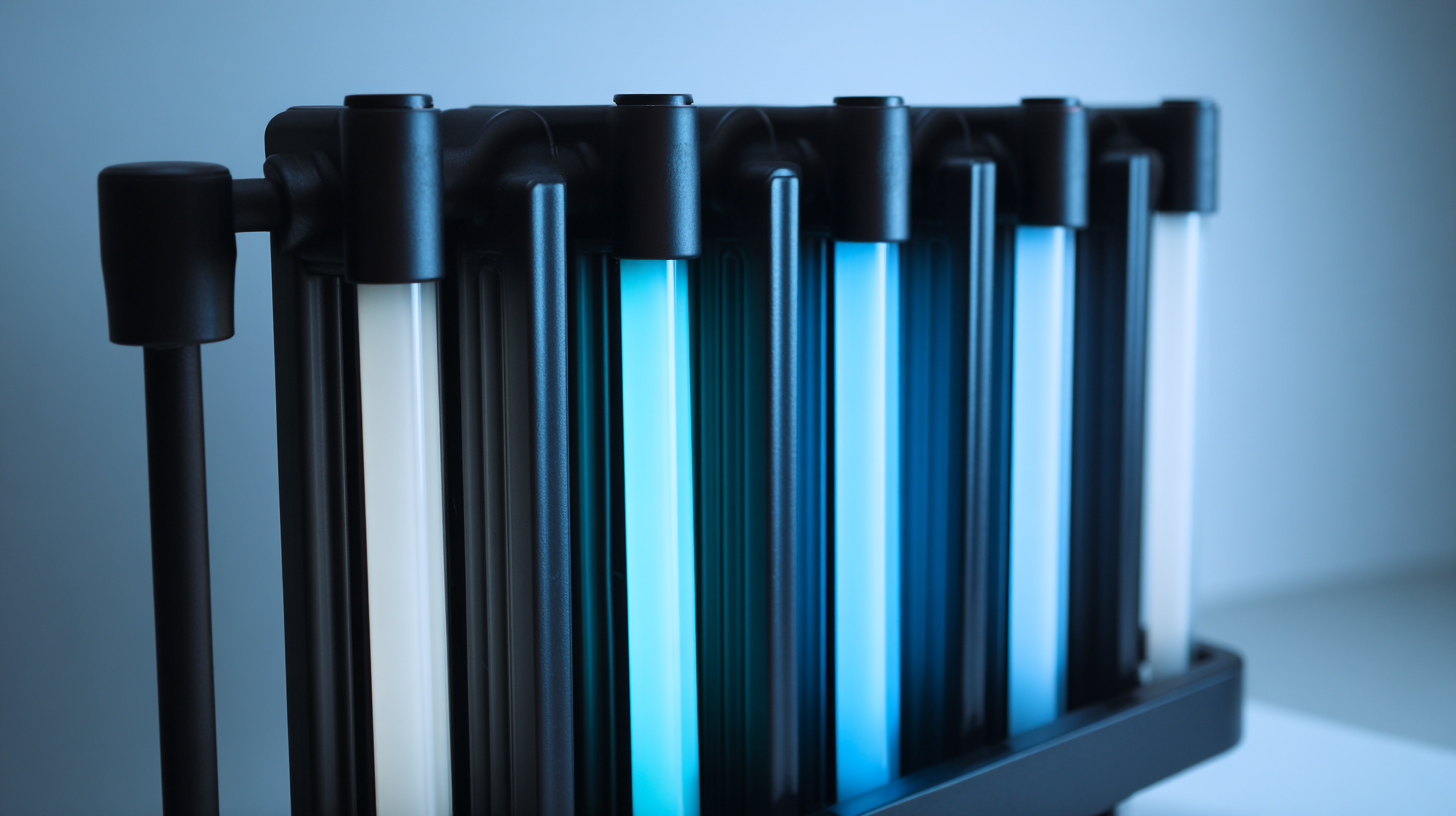
Heater tubular technology has seen significant advancements, evolving to meet the demands of modern heating solutions. Historical heating methods have been largely replaced by these innovative systems, which offer enhanced efficiency and performance. The transition from traditional heating elements to tubular designs has enabled manufacturers to produce lighter, more versatile, and eco-friendly options. These advancements not only improve heating effectiveness but also reduce energy consumption, aligning with the growing emphasis on sustainability.
In recent years, the integration of advanced materials and designs has propelled the heater tubular technology market. For instance, the demand for metal thick film heaters is expected to surge, driven by their space-saving designs and efficiency. Innovations in solar heating systems further illustrate the trend of adapting technology to meet modern needs, providing users with smarter and more efficient solutions for everyday heating requirements. As these technologies continue to evolve, they promise to redefine how we approach heating in various sectors, contributing to a more energy-efficient future.
Key Benefits of Enhanced Energy Efficiency in Heating Systems
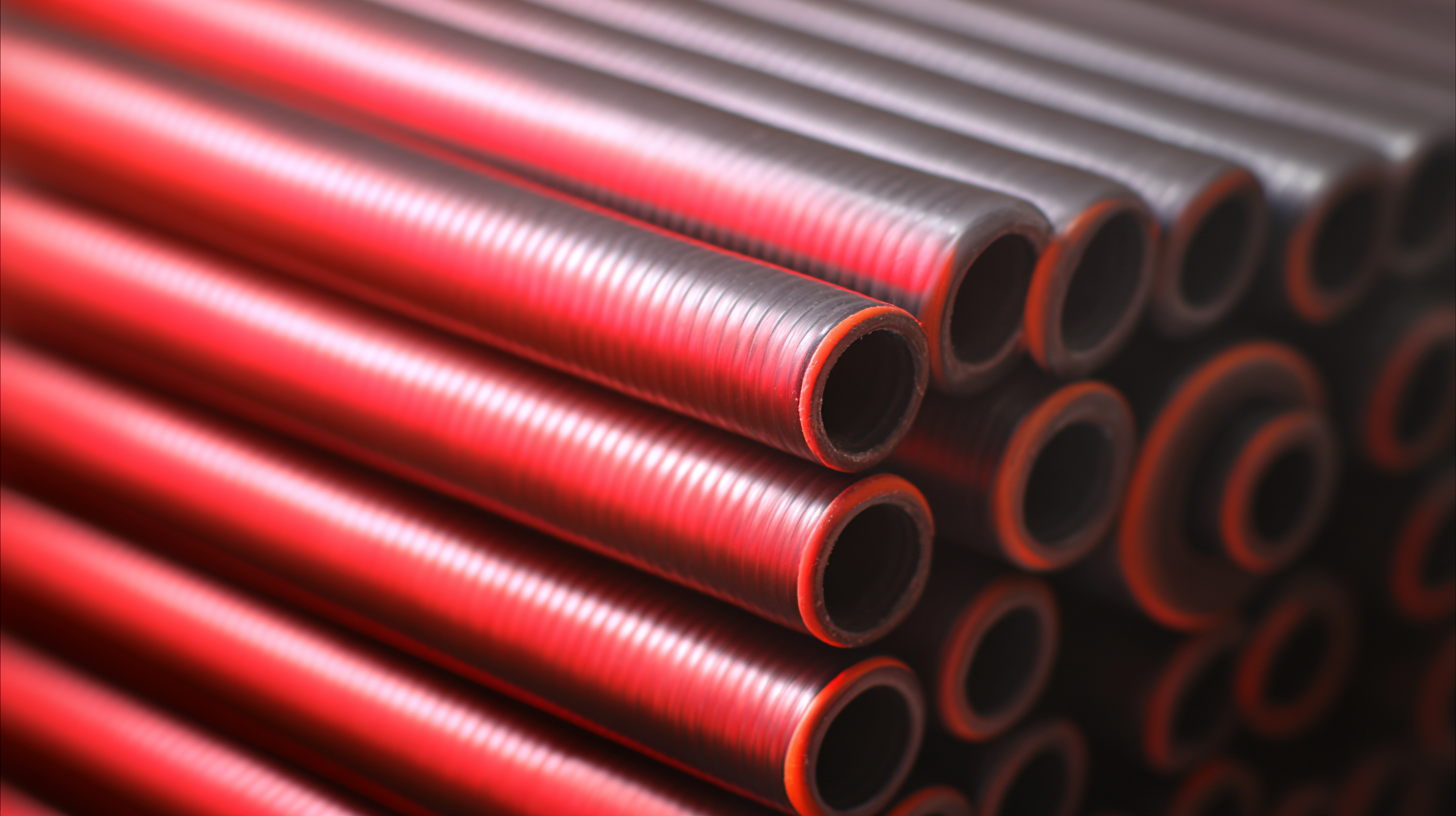 Heater tubular technology is revolutionizing the heating industry by significantly improving energy efficiency. One of the key benefits of enhanced energy efficiency in heating systems is the reduction in energy consumption, which translates directly to lower utility bills for consumers. By utilizing advanced materials and designs, tubular heaters can provide consistent and effective heating while using less power. This not only saves money but also decreases the environmental impact, making sustainable energy practices more accessible.
When upgrading heating systems, consider the compatibility of tubular heaters with your existing infrastructure. Assessing insulation quality and optimizing placement can further enhance energy efficiency. Tips to maximize efficiency include scheduling regular maintenance checks to ensure everything runs smoothly and adopting smart thermostats that adjust temperatures based on usage patterns.
Another advantage of energy-efficient heating systems is their ability to operate more quietly and with less wear and tear over time. This leads to longer equipment life and reduced maintenance costs. Implementing such technologies not only supports energy conservation but also fosters a more comfortable living environment. Consider investing in modular systems that can be easily adapted as energy needs change.
How Heater Tubular Technology Reduces Energy Consumption and Costs
Heater tubular technology is revolutionizing the heating industry by significantly reducing energy consumption and costs. Unlike traditional heating methods, which often waste energy through inefficient heat transfer, heater tubular systems employ an advanced design that maximizes thermal efficiency. The tubular structure allows for better heat distribution, resulting in faster heating times and reduced energy use. As a consequence, businesses and homeowners alike can enjoy lower utility bills while maintaining their desired warmth.
Moreover, the durability and longevity of heater tubular technology contribute to cost savings over time. These systems are built to withstand harsh conditions and require less frequent replacements compared to conventional heating sources. This reliability not only lowers maintenance costs but also minimizes disruption to heating services. As energy efficiency becomes increasingly critical in the fight against climate change, the adoption of heater tubular technology presents an opportunity for various sectors to enhance their environmental sustainability while simultaneously cutting costs.
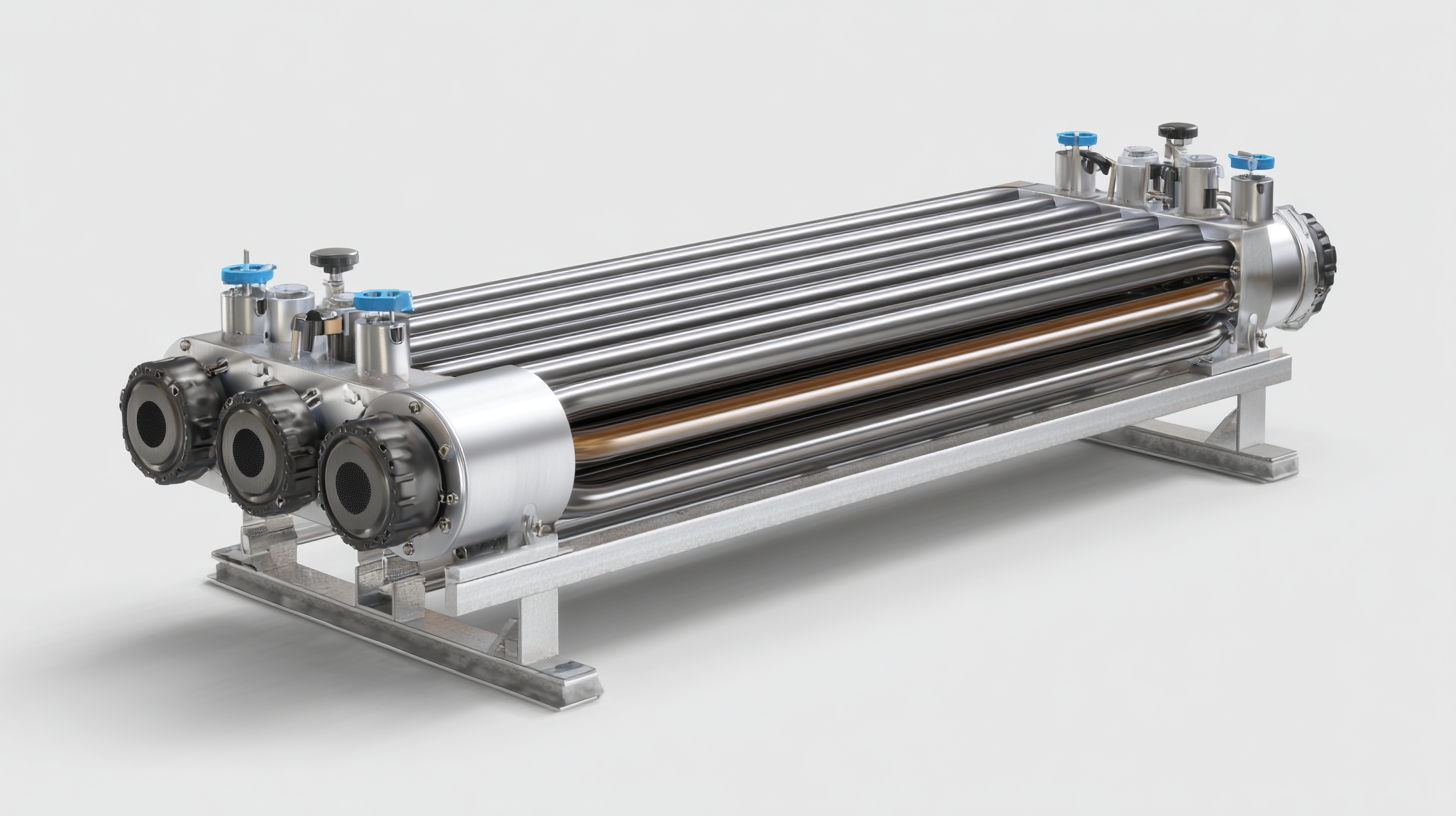
Innovative Applications of Heater Tubular Technology in Various Industries
Heater tubular technology is revolutionizing various industries by enhancing energy efficiency and providing innovative solutions. This technology, which involves the use of tubular heaters, offers precise temperature control and uniform heat distribution, making it an ideal choice for diverse applications. In the food processing sector, for instance, these heaters facilitate consistent cooking temperatures, ensuring quality and safety while reducing energy consumption. Their adaptability allows them to be integrated into systems for heating liquids, maintaining specific temperatures in large tanks, and even in drying processes.
Moreover, the industrial manufacturing sector is benefiting significantly from heater tubular technology. In processes such as metalworking and plastics processing, these heaters provide direct heating solutions that minimize heat loss, promoting a more sustainable approach to production. The compact design and versatility of tubular heaters allow for their use in tight spaces and corrosive environments, contributing to a reduction in downtime and maintenance costs. As industries continue to seek ways to improve efficiency and reduce their carbon footprints, heater tubular technology stands out as a transformative force, paving the way for smarter energy use across various fields.
The Future of Energy Efficiency: Heater Tubular Technology Impact
This chart illustrates the potential energy savings percentage in various industries through the innovative application of heater tubular technology. The increasing adoption of this technology signifies its importance in enhancing energy efficiency.
Future Trends: The Role of Smart Technology in Heater Tubular Advancements
The heating industry is undergoing a significant transformation driven by advancements in smart technology, particularly in heater tubular systems. According to a report by MarketsandMarkets, the global smart HVAC market is projected to grow from $17.1 billion in 2020 to $29.5 billion by 2025, reflecting an annual growth rate of 11.5%. This surge is largely fueled by the integration of IoT devices, which enables real-time monitoring and optimization of heating systems. With smart heaters equipped with sensors and connectivity features, users can remotely control their heating, leading to enhanced energy efficiency and reduced operational costs.
In addition, the role of machine learning algorithms in predictive maintenance further contributes to this evolution. A study by International Energy Agency (IEA) highlights that implementing predictive analytics can result in a 10-30% reduction in energy consumption in heating applications. As heater tubular technology evolves, incorporating these smart capabilities will not only streamline energy usage but also ensure that systems operate at peak efficiency. Indications suggest that the future of heating will rely heavily on these innovations, transforming how consumers and businesses approach energy efficiency in their heating solutions.
The Future of Energy Efficiency: Why Heater Tubular Technology is Changing the Heating Industry
| Technology Type |
Efficiency Improvement (%) |
Energy Savings (kWh/year) |
Projected Market Growth (2025) |
Integration with Smart Technology |
| Conductive Heater Tubes |
30% |
2,500 kWh |
15% CAGR |
Yes |
| Infrared Heating Technology |
25% |
1,800 kWh |
12% CAGR |
Yes |
| Heat Pump Technology |
40% |
3,000 kWh |
20% CAGR |
Yes |
| Smart Thermostats |
15% |
1,200 kWh |
18% CAGR |
Yes |