What is Flange Heating and How Does It Work?
Flange heating is a critical process in various industrial applications. Industry expert Dr. Emily Chen once stated, "The efficiency of flange heating directly impacts overall project performance." This highlights the fundamental role that flange heating plays in ensuring effective thermal management.
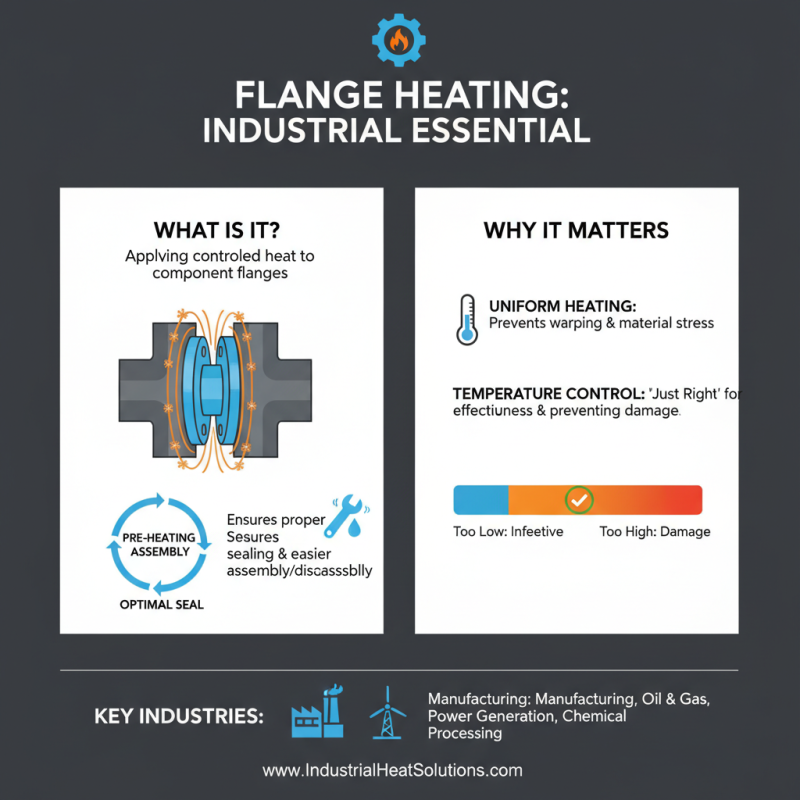
Flange heating involves evenly distributing heat to bolt flanges, enhancing their performance. It is widely used in oil and gas pipelines, chemical processing plants, and power generation. Proper heating facilitates better sealing and reduces the risk of leaks. Moreover, it significantly improves the efficiency of maintenance operations.
Despite its importance, many facilities overlook the need for effective flange heating systems. This can lead to unexpected failures and costly downtime. Implementing advanced flange heating technologies can mitigate these risks, but challenges remain. Ensuring uniform heat distribution requires careful planning and sometimes re-evaluation of existing systems. Hence, understanding flange heating is essential for any industry reliant on tight connections.
What is Flange Heating?
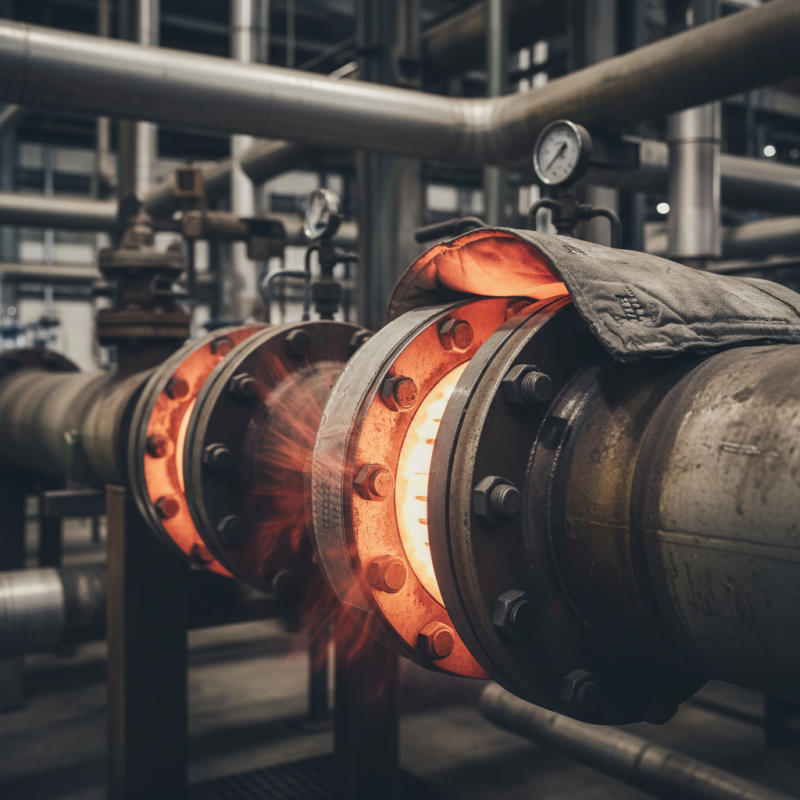
Flange heating is an essential process in many industrial applications. It involves using electrical heating elements to directly warm the flanges of pipes or tanks. This method is crucial, especially in cold environments. When temperatures drop, it can be difficult to access stored materials. Flange heating allows for smooth operations by preventing freezing.
The technology works by applying heat to specified areas. This targeted heating ensures that only necessary spots are warmed. It is efficient and reduces energy waste. However, some users struggle with incorrect placement of heating elements. An improper setup can lead to uneven heating. Users might find themselves needing to adjust frequently, which can be frustrating.
In practice, flange heating enhances safety and functionality. It helps maintain fluid flow by keeping materials at optimal temperatures. Yet, there's room for improvement. Not everyone understands the impact of insulation materials or installation processes. Poor insulation can lead to heat loss. It's a learning curve, one that prompts operators to refine their skills over time.
Flange Heating System Efficiency Over Time
This chart depicts the efficiency percentage of the flange heating system measured over a five-week period. As evident, the efficiency improves gradually, indicating the system's optimal performance with proper maintenance and operation.
Common Applications of Flange Heating in Industry
Flange heating plays a crucial role in various industrial applications. It is widely utilized in the oil and gas sector for pipeline maintenance. According to a 2022 industry report, nearly 40% of energy companies report using flange heating to prevent freezing in cold climates. This ensures smooth operations and reduces downtime.
In the chemical processing industry, flange heating is essential for maintaining optimal temperatures in reactors. A recent survey noted that over 50% of chemical plants adopted flange heaters to enhance efficiency. These systems support better chemical reactions and reduce energy consumption. Temperature control is vital, as even minor fluctuations can lead to significant production losses.
Many manufacturing processes also benefit from flange heating. Industries involved in metalworking rely on heated flanges to prepare materials for welding or forming. However, not all systems are efficient. Some companies have faced challenges, such as uneven heating or system failures. Reflecting on these issues can help improve future applications and designs.
Benefits of Using Flange Heating Systems
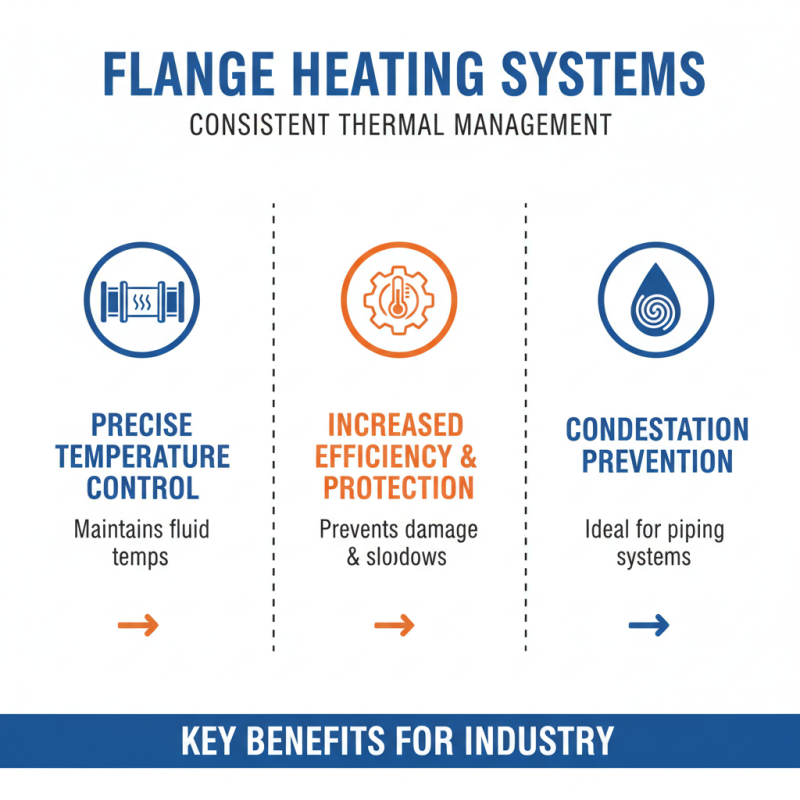
Flange heating systems offer significant benefits for industries requiring consistent thermal management. They effectively keep fluids at desired temperatures. This is crucial in processes where temperature fluctuations can lead to inefficiencies or damage. For example, in piping systems, maintaining heat prevents the buildup of condensation.
Another advantage is energy efficiency. Flange heating provides direct heat to specific areas. This localized heating means less wasted energy compared to other methods. However, installation can be complex. Careful positioning is required to ensure effectiveness. Users often need to reconsider their existing setups to integrate these systems.
Maintenance is another factor. While flange heaters can reduce energy use, they still need regular checks. Over time, buildup can lead to decreased performance. Users must stay vigilant and adjust their schedules to ensure longevity. The benefits are clear, but managing these systems requires ongoing attention.
Safety Considerations and Best Practices for Flange Heating
When dealing with flange heating, safety is paramount. High temperatures can lead to burns or equipment damage. Proper gear, like heat-resistant gloves and goggles, can minimize risks. Ensure the working area is well-ventilated. This helps to avoid any buildup of dangerous gases.
Best practices in flange heating include strict monitoring of temperature levels. An infrared thermometer can provide accurate readings. It’s essential to follow guidelines on the maximum temperature for the materials involved. Flanges can warp if overheated. Regular inspections before and after heating can reveal any issues early. Always have a fire extinguisher nearby, just in case.
Utilizing secure clamps is crucial. This prevents accidental movement during the heating process. Sometimes, people underestimate the importance of secure setups. It's easy to overlook loose connections. These small mistakes can lead to significant hazards. Taking time to ensure everything is in place can save trouble later.
What is Flange Heating and How Does It Work? - Safety Considerations and Best Practices for Flange Heating
| Dimension |
Description |
Best Practices |
Safety Considerations |
| Temperature Range |
Typical heating ranges from 150°F to 600°F |
Regularly monitor temperature to prevent overheating |
Use thermal sensors to track temperature |
| Heating Method |
Electric resistance heating or induction heating |
Choose appropriate heating method based on application |
Follow manufacturer guidelines for equipment |
| Application Areas |
Used in pipeline systems, flanges, and valves |
Ensure even heating to prevent stress concentrations |
Assess nearby flammable materials before heating |
| Power Supply |
Typically requires a dedicated power source |
Ensure proper voltage and amperage for stability |
Use circuit protection devices to prevent overloads |
| Operator Training |
Operators should be trained in safe practices |
Conduct regular safety drills and refreshers |
Maintain clear access to emergency equipment |