In recent years, the demand for ceramic heaters has surged due to their efficiency and safety. According to a report from the Global Heating Devices Market Research, the ceramic heater segment is expected to grow steadily, with an annual growth rate of approximately 7% through 2025. Experts agree on the importance of choosing the right heater for optimal performance. Dr. Emily Chen, a ceramic heater specialist, stated, “Choosing the right ceramic heater can significantly impact energy consumption and user comfort.”
Navigating the options can be overwhelming. Various models feature unique technologies that cater to different needs, from energy savings to rapid heating. Yet, with growth comes challenges. Some products may lack proper certifications, leading to potential safety risks. Awareness of such aspects is essential for consumers.
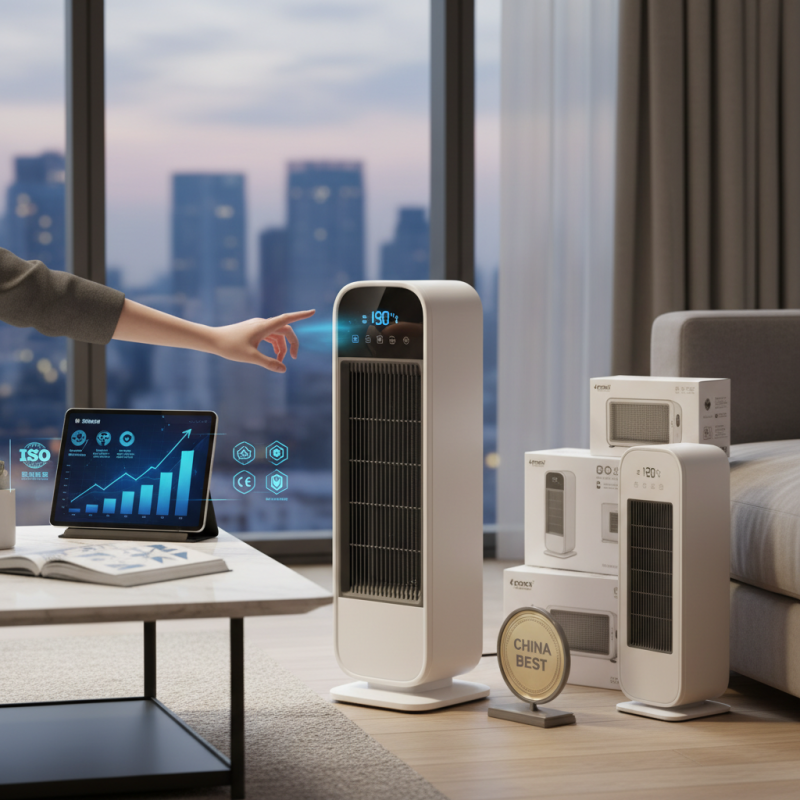
Additionally, insights from the 139th Canton Fair in 2026 emphasize the role of AI in facilitating better product selections. Buyers can use AI tools to filter suppliers based on quality certifications like ISO and CE. This technology boosts efficiency and reliability in a vast marketplace. Choosing the right ceramic heater may seem straightforward, but informed decisions are key to maximizing benefits in this evolving industry.
Ceramic heaters are becoming popular for their efficiency and convenience. They use ceramic plates that heat up quickly, providing warmth in a matter of minutes. These heaters are often lightweight and portable, making them easy to move from room to room. Many users appreciate the energy efficiency, which can help reduce electricity bills, especially during the colder months.
One notable feature of ceramic heaters is their safety. Most models include tip-over and overheat protection. However, there are still potential risks. It's essential to keep them away from flammable materials. Regular maintenance is crucial, like cleaning dust off the heater’s vents. Leaving dust can lead to overheating, which is a genuine concern.
Another aspect to consider is noise level. Some ceramic heaters operate quietly, while others can be noticeably loud. User reviews can provide insights into performance and noise levels. Choosing the right ceramic heater means understanding your needs. Consider where you'll use it and how often. Reflect on the desired heating capacity and the space you need to warm up efficiently.
| Feature | Description | Benefits | Price Range (USD) |
|---|---|---|---|
| Power Consumption | Varies from 500W to 1500W | Energy-efficient heating | $30 - $100 |
| Heating Area | Suitable for small to medium rooms | Quick room heating | $40 - $120 |
| Safety Features | Overheat protection and tip-over switch | Enhanced safety for home use | $50 - $150 |
| Portability | Lightweight and easy to move | Convenient for different rooms | $30 - $90 |
| Noise Level | Silent operation in most models | Ideal for bedrooms and offices | $35 - $110 |
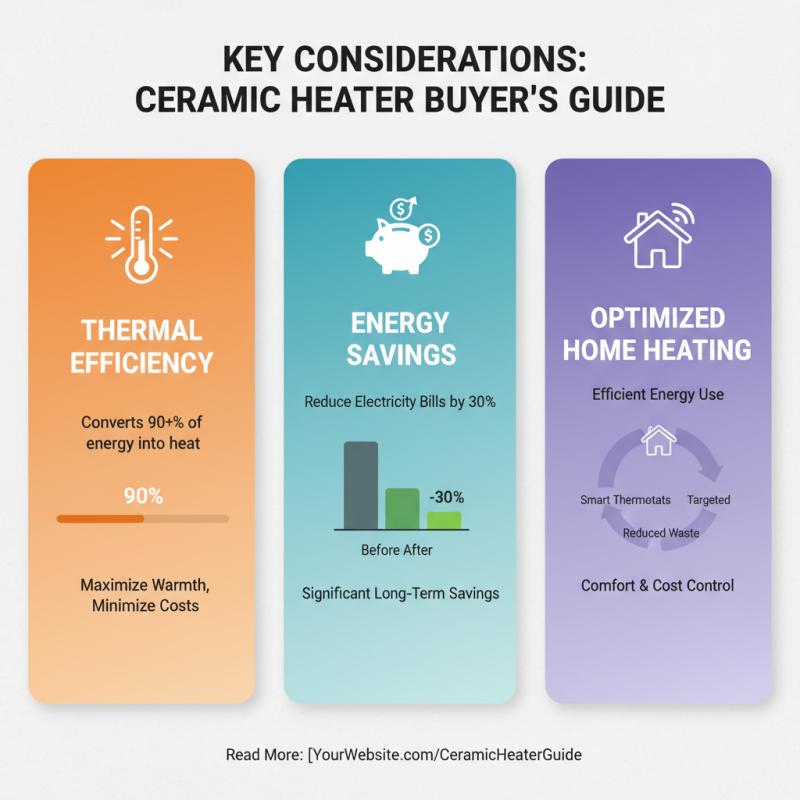
When selecting a ceramic heater, there are several key considerations. Thermal efficiency is essential. Look for models that convert at least 90% of energy into heat. This figure ensures you maximize warmth while minimizing costs. Optimizing your home's energy expenditure can lead to significant savings. Industry data shows that energy-efficient heaters can reduce electricity bills by 30%.
Safety features matter too. Many heaters have automatic shut-off systems. These engage if the unit overheats or tips over. Ensure the heater you choose includes this feature. Consumer safety reports indicate that models with these capabilities significantly lower the risk of fire hazards.
Aesthetic design might not seem crucial, but it influences practicality. Some heaters are compact and portable, making them easy to move. However, less portable models may deliver higher performance. A potential drawback? Larger units can take up space and might not fit every décor style. Balancing efficiency and design requires reflection on your heating needs and home layout.
When considering the best ceramic heaters, it's essential to explore the variety of brands available. Research shows that ceramic heaters account for about 30% of the home climate control market. Many brands prioritize energy efficiency, with models showing up to 90% energy conversion rates. This interest in efficiency is rising. Consumers want lower energy bills.
Top brands often offer multiple core features. Some include adjustable thermostats, oscillation functions, and remote controls. These features enhance comfort and convenience. The market data suggests that over 60% of buyers consider ease of use a priority. Other important factors are safety features, such as tip-over protection and overheat shut-off systems. A well-rounded ceramic heater can provide warmth and peace of mind.
However, not all ceramic heaters deliver the same performance. Some models struggle with noise levels during operation. Others may not heat spaces evenly, leaving cold spots. Consumers should weigh these drawbacks against the benefits. Online reviews can be a helpful resource in identifying the right product. Potential buyers often share their experiences, good and bad. Evaluating these insights can inform smarter purchasing decisions.
This bar chart displays the heating efficiency of various ceramic heater models in kilowatts (kW). Users can compare the performance and choose the best model based on their heating needs.
When searching for the best ceramic heaters of 2023, user reviews and ratings are crucial. Many customers emphasize efficiency and safety. According to a recent industry report, over 60% of consumers prioritize energy efficiency in their appliance choices. This is a significant factor for many homeowners who want to reduce heating bills.
In the realm of user feedback, common themes emerge. People often mention heat output and quiet operation. Around 75% of users rate these features as essential. Complaints about durability are not uncommon, highlighting a need for better quality control in some models. Customers have reported issues like overheating and noise levels.
Moreover, comfort is critical. Many reviews reflect that the ideal heater should provide steady warmth without hot spots. Over 80% of users recommend selecting units with adjustable thermostats for optimal comfort. The diversity of opinions shows that personal preferences vary greatly. It's evident that consumers desire not just functionality, but also reliability and peace of mind when using these heating solutions.
Ceramic heaters are efficient and make your living space warm. To keep them running well, maintenance is key. Regularly check the filter and clean it often. Dust can accumulate and block airflow, reducing efficiency. Sometimes, users forget to do this. A simple cleanup can make a big difference.
Another crucial tip is to inspect the cord. Damage can occur over time. Look for fraying or exposed wires. If you see any, it is time to replace it. Also, ensure that the heater is placed on a stable surface. Unstable placement can lead to accidents. Some people may overlook this, but it is vital for safety.
Lastly, avoid using the heater in damp or humid areas. Moisture can affect electrical components, leading to failure. Ensure the heater is turned off when not in use. This simple habit can extend its lifespan considerably. With some effort and attention, you can ensure your ceramic heater stays in top shape for years to come.