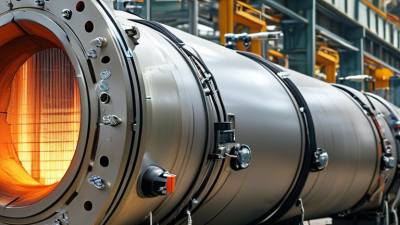
2026 Top Flanged Heater Trends for Global Buyers?
The demand for Flanged Heaters is on the rise globally, driven by various sectors including oil and gas, food processing, and chemical industries. According to a recent market research report, the global flanged heater market is projected to grow at a CAGR of 5.6% from 2023 to 2028. This growth demonstrates an increasing reliance on efficient heating solutions in complex processes.
Industry experts emphasize the importance of quality in flanged heaters. A well-designed flanged heater can significantly improve energy efficiency and reduce operational costs. However, many buyers are still unaware of the latest technological advancements. For instance, newer models incorporate advanced materials that enhance performance and durability. Yet, some traditional manufacturers struggle to adapt to these trends, reflecting a gap in awareness.
As we approach 2026, it is crucial for buyers to stay informed about emerging trends in flanged heater technology. Newer features like smart controls and enhanced safety mechanisms are becoming standard. Nevertheless, selecting the right product requires careful research. Buyers must account for their unique needs and market dynamics to make informed decisions.
Emerging Technologies in Top Flanged Heater Design for 2026
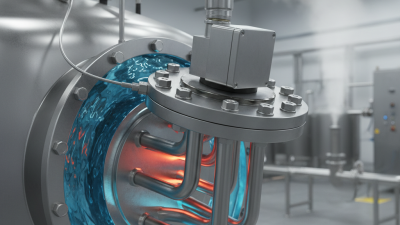
The design landscape for top flanged heaters in 2026 is set to undergo significant changes. Emerging technologies are at the forefront of this evolution. The integration of IoT devices will enhance user monitoring and control. These systems can provide real-time data on performance and efficiency. With better insights, operators can optimize usage, reducing energy costs.
Additionally, materials science is advancing rapidly. Innovative composites are becoming popular for flanged heater construction. These materials can withstand higher temperatures and pressures. They also offer improved corrosion resistance, ensuring longer lifespan. However, not all new materials are practical for every application. Engineers must carefully assess their suitability and potential limitations.
Sustainability remains a priority in design considerations. Increasingly, industries are looking for eco-friendly alternatives. This shift might introduce challenges in material supply chains. It is essential to balance performance with environmental impact. Continued research and development are crucial for overcoming these hurdles. As the landscape evolves, collaboration between engineers, manufacturers, and researchers will drive progress.
2026 Top Flanged Heater Trends for Global Buyers
| Trend |
Description |
Emerging Technology |
Market Impact |
| Smart Integration |
Integration with IoT for real-time monitoring and efficiency. |
IoT Sensors |
Increased operational efficiency and predictive maintenance. |
| Energy Efficiency |
Focus on reducing energy consumption and costs. |
High Efficiency Insulation |
Lower energy bills and reduced carbon footprint. |
| Advanced Materials |
Use of corrosion-resistant and lightweight materials. |
Composite Materials |
Extended service life and reduced replacement costs. |
| Modular Design |
Flexible and customizable heater designs for varied applications. |
Modular Components |
Easier upgrades and maintenance. |
| Safety Innovations |
Enhanced safety features to prevent overheating and failures. |
Smart Safety Controls |
Increased user confidence and reduced liability. |
Key Market Trends Influencing Global Demand for Top Flanged Heaters
The global market for top flanged heaters is evolving rapidly. Key trends are shaping the demand for these essential heating solutions. One major influence is the rise of energy efficiency regulations. Industries are under pressure to adopt more efficient heating systems. This push is driving innovations in flanged heater design and technology.
Another significant trend is the shift towards sustainability. Buyers are increasingly favoring environmentally friendly products. There is a growing emphasis on using materials that minimize environmental impact. Manufacturers are racing to meet these demands while ensuring product reliability and performance.
Market dynamics are changing, but challenges remain. Understanding regional market variations is essential. Buyers need to navigate different standards and requirements in diverse markets. Not all flanged heaters perform equally under varying conditions. Continuous improvement and feedback are crucial for manufacturers. They must refine their products to maintain competitiveness.
Sustainability Practices Shaping the Future of Heating Solutions
Sustainability is driving change in heating solutions. As environmental concerns grow, buyers prioritize eco-friendly choices. Top flanged heaters are adapting to this shift, focusing on energy efficiency. Manufacturers are now investing in technology that reduces energy consumption. These advancements lead to lower emissions and a smaller carbon footprint.
Incorporating renewable energy sources is becoming popular. Solar panels and biomass options are being integrated into heating systems. This approach not only promotes sustainability but also reduces reliance on fossil fuels. However, challenges remain. Not all heating solutions can easily transition. The technology requires significant investment, which can deter some buyers.
Consumers are also looking for transparency. They want to understand the lifecycle of their heating products. This demand is reshaping manufacturing practices. Companies must disclose information about sourcing and materials. As the market evolves, staying informed is crucial. Buyers need to reflect on their choices and their impacts.
2026 Top Flanged Heater Trends for Global Buyers
Regional Analysis of Top Flanged Heater Adoption Worldwide
The global adoption of top flanged heaters is evolving rapidly. Regions like North America and Europe are leading the way. According to a recent industry report, North America holds about 35% of the global market share. This dominance is fueled by increasing industrial applications and stringent energy regulations. Meanwhile, Europe follows closely with a market share of 30%. European industries prioritize efficiency and sustainability, driving demand for advanced heating solutions.
In Asia-Pacific, growth is notable but uneven. Countries such as China and India are experiencing a surge in industrialization. However, the adoption rate varies across regions. For example, China has seen a significant increase in manufacturing output, leading to greater flanged heater installations. In contrast, smaller economies in Southeast Asia struggle with infrastructure and investment shortages. The regional analysis reveals opportunities and challenges. Global buyers need to consider local market dynamics when sourcing top flanged heaters.
Data from Frost & Sullivan highlights that the global market is expected to grow by 6% annually over the next five years. While this presents a favorable outlook, supply chain disruptions and cost fluctuations remain concerns. Buyers must navigate these complexities to ensure reliable sourcing and meet operational needs. Understanding these regional nuances is crucial for informed decision-making in the heater market.
Innovations in Material Sciences Impacting Heater Efficiency and Longevity
Innovations in material sciences are transforming the world of top flanged heaters.
New composite materials are enhancing thermal conductivity. These advancements allow for faster heating and more efficient energy usage. Commitment to research is driving this momentum. Many manufacturers are experimenting with nanotechnology. This science often improves durability and efficiency.
However, not all innovations lead to immediate benefits. Some changes may introduce complexities in manufacturing. These new materials might also bring higher costs. Buyers should be cautious and informed.
Understanding how a material performs in real-world conditions is essential. Efficiency metrics should align with the longevity of the materials used.
Buyers need reliable data on these innovations. Testing under various conditions is crucial. Anecdotal results can be misleading. Mistakes can happen when companies rush to adopt new materials. Evaluation before full-scale implementation will ensure optimal performance. Balancing innovation with practicality will define the next trend.